How to Choose the Right Slitting Machine Model and Maintenance Guide
PUBLISH DATE:2025-10-11
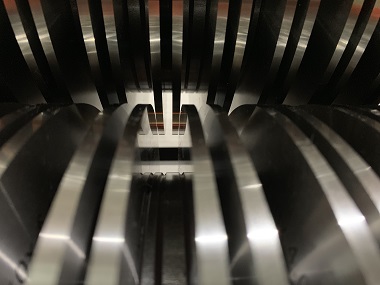
In modern metal processing industries, slitting machines play a crucial role. They precisely slit wide metal coils into narrower strips to meet diverse manufacturing demands. For buyers and operators, selecting the appropriate slitting machine model and performing proper maintenance are key factors that affect production efficiency, product quality, and equipment lifespan. This article provides a clear and detailed guide on how to scientifically select a slitting machine model and offers essential maintenance tips for 2025, helping businesses maximize their equipment investment and ensure optimal operating safety.
-
Understanding Material Characteristics and Thickness: The Foundation of Model Selection
The first step when choosing a slitting machine is clarifying the types and thicknesses of metal materials you will be processing. The hardness, toughness, and thickness of the materials directly influence slitting efficiency and the type of blades needed. Common metals processed include steel, stainless steel, and aluminum alloys, each with specific requirements for blade material and machine strength.
For example, aluminum alloy is relatively soft and causes less blade wear during slitting; by contrast, stainless steel is more wear-resistant and requires more durable alloy blades. Material thickness is usually measured in millimeters; thin materials (0.1-1mm) suit precision slitting machines equipped with high-speed steel or tungsten carbide blades to maintain sharpness; thicker plates (1-5mm) need slitting machines with more powerful slitting knives.
A mismatch between material and machine capability frequently causes poor slitting quality, increased wastage, or even machine damage. Ensuring the machine's slitting capacity fully covers your material thickness range is the first critical selection principle. It is advisable to consult suppliers about your material specifications to choose the best-suited model.
-
Slitting Methods and Blade Structures: Determining Efficiency and Quality
Depending on production needs, slitting machines can be divided into rotary slitting, flying shear, and precision slitting types. Rotary slitting machines use high-speed rotating circular blades, suitable for various conventional metals, providing smooth slitting and high efficiency. Flying shear uses a scissor-like mechanism, ideal for thick plates or high-volume slitting scenarios. Precision slitting machines emphasize high precision and edge quality, often used for thin and high-accuracy applications.
Blade material and structure also require careful selection. Carbon steel blades work well for soft materials but have a shorter service life. High-speed steel and alloy blades are wear-resistant and suitable for high-speed, high-volume production. Some advanced models offer interchangeable blades for flexible operation and rapid adaptation to different workpieces.
In a real case, an automotive parts manufacturer increased slitting efficiency by 20% and reduced blade replacements by 20% after adopting a high-performance rotary slitting machine with tungsten carbide blades, significantly reducing production downtime.
-
The Importance of Automation Control and Safety Systems
Modern slitting machines mostly come equipped with advanced automated control systems such as automatic tension adjustment, automatic blade change, and digital monitoring. These features reduce manual adjustment errors and stabilize production quality.
Tension control systems ensure uniform material tension, preventing deviation or wrinkling during slitting. Automatic blade changers reduce maintenance time. Digital monitoring provides real-time data, helping predict faults and make timely parameter adjustments.
On the safety side, machines should have comprehensive safety guards, emergency stop devices, and sensors. Operators must use protective gloves, safety glasses, and other personal protective equipment. Regular safety training and inspections are essential to maintaining a safe working environment.
-
Maintenance: Protecting Investment and Extending Equipment Life
A reasonable maintenance plan is crucial for ensuring the stable operation of slitting machines.
- Blade Care: Blades are the core of the slitting machine and must be kept sharp and clean. Regular inspection and timely grinding or replacement maintain slitting quality. Blade and arbor alignment is equally important to prevent slitting deviation.
- Tension System Adjustment and Lubrication: Regular checks and adjustments of the tension system keep material tension uniform and reduce waste. Proactively lubricate bearings and gears to avoid mechanical wear and jamming, extending equipment life.
- Electrical System Maintenance and Inspection: Ensure the control panels and sensors are clean and connections secure. Periodically inspect fasteners and electrical components to maintain stable circuitry and prevent downtime.
- Record Keeping and Preventive Maintenance: Establish maintenance records to track equipment status and maintenance details, which helps detect abnormalities early and implement preventive maintenance, avoiding major failures.
-
Brand Selection and After-sales Service
Prioritize brands with good reputations and solid technical support systems when purchasing slitting machines. Well-known brands often feature stringent quality controls and complete spare parts supply chains, allowing rapid response when problems arise.
Some brands even provide remote monitoring and diagnostic functions to improve maintenance efficiency. Comprehensive after-sales support helps companies operate worry-free, ensuring continuous and stable production.
-
Cost-Benefit and Long-term Investment Returns
High-quality, appropriately matched slitting machines usually involve higher upfront costs but can significantly reduce material waste, labor, and maintenance expenses while improving production efficiency. Automated equipment reduces manual interventions, improving production stability and safety.
Case studies show that companies investing in automated and intelligent slitting machines achieve productivity gains of 15-30% and reduce labor costs by over 20%, with long-term savings far exceeding initial investments.
-
Conclusion
Choosing the right slitting machine model injects strong momentum into the production line. It requires thorough consideration of material specifications, production demands, automation features, and maintenance convenience. Proper blade and equipment care, regular inspections, and calibrations prevent issues and ensure long-term, efficient operation.
When budgets allow, prioritize machines with high automation and intelligent monitoring to guarantee safety and boost competitiveness. Through scientific investment and meticulous maintenance, slitting machines become essential tools for stable production and quality enhancement in enterprises.
Need help selecting the right Slitting Machine?
Request a technical consultation or project evaluation.
Sales Inquiry: +886-2-2995-7607 | Email: sales@slitterline.com