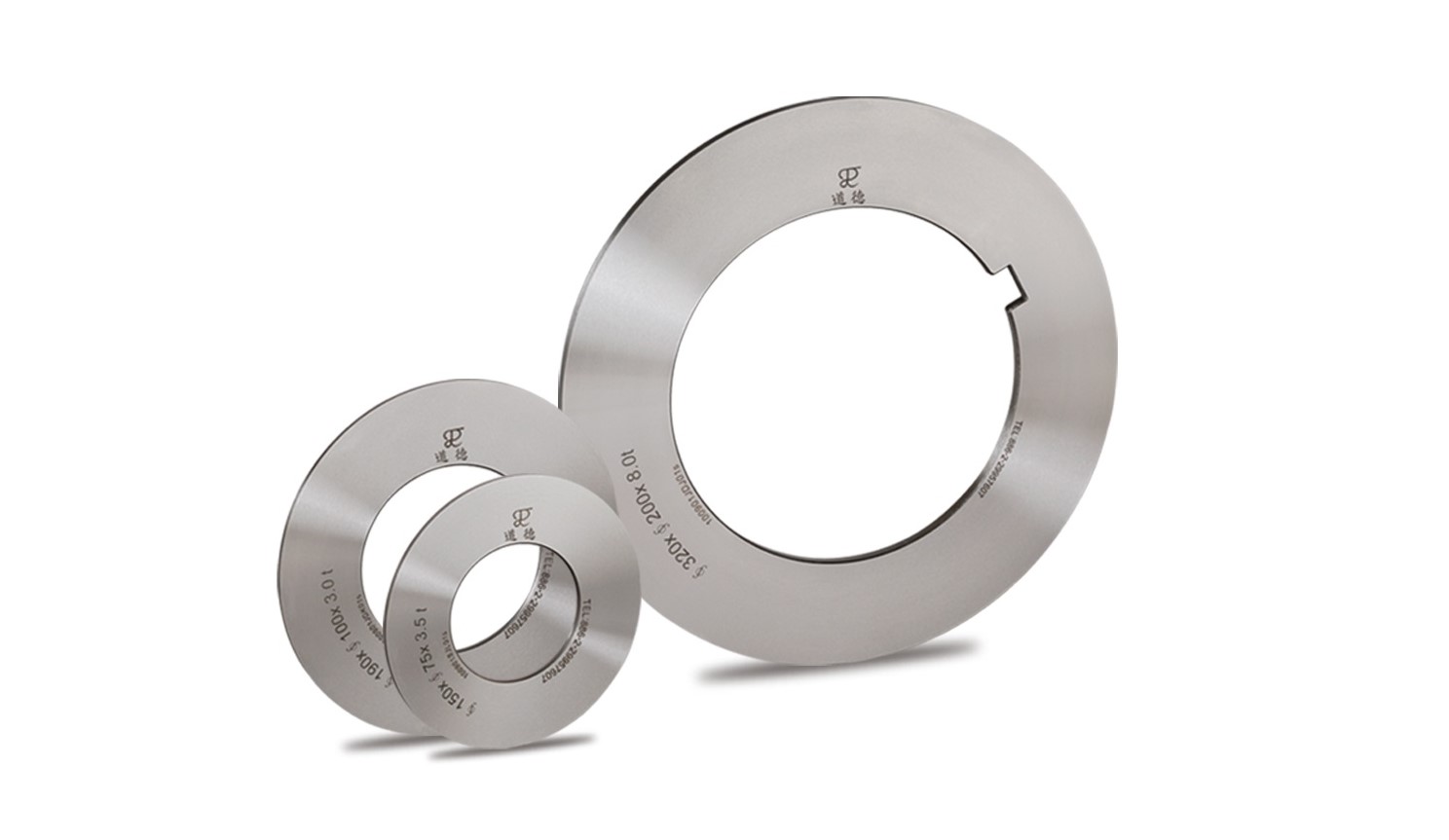
A badly functioning slitting machine and blade can create a lot of problems and ultimately lead to a waste of time and money. Even a small error can significantly decrease the efficiency of the entire production process. Choosing the right slitting blade is important for the proper functioning of a slitting machine. In order to make the right decision, it is important to understand the different factors that need to be considered when choosing a slitting blade. Keep reading to learn more about choosing the right slitting blade and how to make sure it is suitable for your specific machine.
What Is a Slitting Blade, and What Does It Do?
A slitting blade is a long, thin metal blade that can be used to cut through materials like leather, fabric, paper, plastic, and metal. It is used in the slitting process, which is the process of cutting material into narrow strips or bands. Slitting blades are typically made from high-carbon steel for greater durability and strength. Or sometimes, pure steel and high-alloy die steel-speed steel is used for blades that will be exposed to extreme temperatures.
Factors to Consider When Choosing a Slitting Blade
Since the selection process for a slitting blade can be complicated, it is important to consider all the factors involved. Here are some key things to consider when selecting a slitting blade.
1. Types of Slitting Blades
The best thing about slitting blades is that there are very few types of blades, and you can choose one depending on your need. Some of the most common types of slitting blades are:
- Shear Slitting Blades: The go-to choice for precise cuts in a variety of industries. The shear slitting technique employs two blades - a "male slitter" and a "female blade" (anvil), acting like scissors. This method generates little heat, making it perfect for high-demand operations.
- Razor Slitting Blades: An uncomplicated and cost-effective process mostly used for converting tapes, plastics, films, or vinyl. Material can be cut into slit widths only a few millimeters wide while minimizing dust.
- Crush Cut Blades: Usually used to cut thicker materials like non-woven materials, paperboard, and laminates. This type of blade is designed to crush the material against an anvil instead of cutting it cleanly, producing minimal dust.
2. Material
Always consider the hardness of your anvil when picking a blade material. The anvil is frequently more expensive to swap out than the blade, and the force from the constantly pressing down blade takes its toll during slitting. Common materials include 52-100 steel and M2 steel.
3. The Blade's Longevity
The longevity of the blade is an essential factor to consider, as it can affect the overall cost of the slitting process. A blade with a longer lifespan will result in lower operating costs.
4. Fitting to Machine
It is important to make sure that the blade fits properly in the machine. This includes checking for blade clearance, proper spring tensioning and ensuring that the air pressure is set correctly.
5. The Speed of the Slitting Process
The speed at which the material is being fed through the slitting machine will determine the blade type. Faster speeds may require a sharper edge, while slower speeds may require a more durable blade.
Final Thoughts
Most slitting blades are relatively inexpensive, but they can be an essential factor in the overall cost of a slitting operation. By selecting the suitable blade material and ensuring a proper fit, you can minimize costs and ensure a better quality cut.
Need help selecting the right Slitting Machine?
Since 1972, SlitterLine has specialized in precision slitting equipment, offering expert consultation,
OEM customization, and comprehensive knife grinding services.
Request a technical consultation or project evaluation.
Sales Inquiry: +886-2-2995-7607 | Email: sales@slitterline.com